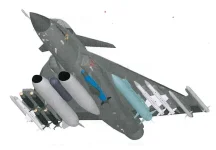
The highly anticipated Tejas Mk2 fighter jet is unlikely to make a physical appearance at the upcoming Aero India 2027.
Despite hopes that the advanced aircraft would be a star attraction, its absence is tied to the projected timing of its maiden flight and the location of its ongoing development.
The 16th edition of Aero India is scheduled to be held at the Air Force Station Yelahanka in Bengaluru in February 2027.
While the Indian Air Force has confirmed the venue, specific dates remained unannounced as of early August.
Defence insiders suggest that if current integration and certification work stays on schedule, the prototype's first flight will happen around July 2027—roughly five months after the airshow concludes.
This scheduling clash creates significant logistical hurdles for displaying the actual aircraft. The development and manufacturing of the Tejas Mk2 are managed by the Light Combat Aircraft (LCA) division of Hindustan Aeronautics Limited (HAL).
Because this division is not based at Yelahanka in northern Bengaluru, the unflown prototype would have to be moved from its current facility to the airbase.
Without the ability to fly the jet to the venue in February, road transport remains the only alternative. While it is technically possible to move a large fighter prototype by road, doing so requires extensive dismantling, specialised transport vehicles, and complex reassembly.
Programme officials see little value in undertaking such an exhaustive process for an aircraft that is still months away from flying.
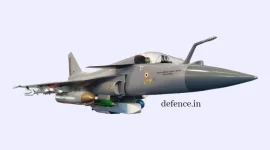
Consequently, spectators at Aero India 2027 will most likely see full-scale mock-ups or static display models rather than the genuine prototype.
Historically, defence airshows are a traditional launchpad for showcasing new aerospace platforms, making the physical absence of the Tejas Mk2 a break from standard expectations.
Instead of rushing a display for the exhibition, the programme's primary focus is strictly on achieving complete first-flight readiness.
The Mk2 prototype has already reached an advanced stage of manufacturing and structural integration. However, it must successfully pass rigorous ground checks, taxi trials, and structural clearance procedures before taking to the skies.
Given the shifting timelines reported over the years, the projected July 2027 date remains an unofficial estimate that could change depending on the pace of mandatory testing.
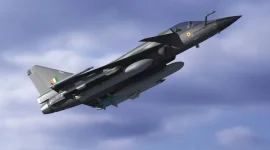
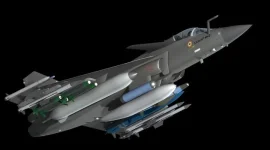
The Tejas Mk2, designated as a Medium Weight Fighter (MWF), represents a massive leap for India’s indigenous military aviation.
Backed by a ₹10,000 crore development budget sanctioned by the Cabinet Committee on Security in 2022, the jet is designed to eventually replace ageing fleets of Mirage 2000, Jaguar, and MiG-29 fighters.
Powered by the robust GE F414 engine, the Mk2 will feature an increased payload capacity of 6.5 tonnes, a close-coupled canard design for better agility, and advanced indigenous avionics like the Uttam AESA radar.
By offering greater range, heavier payloads, and enhanced internal fuel capacity, the Mk2 is designed to bridge the critical capability gap between the lighter Tejas Mk1A and the future Advanced Medium Combat Aircraft (AMCA).
While defence enthusiasts may have to settle for scale models and project briefings at Aero India, the actual maiden flight later in the year will be a monumental milestone for the nation's combat fleet.