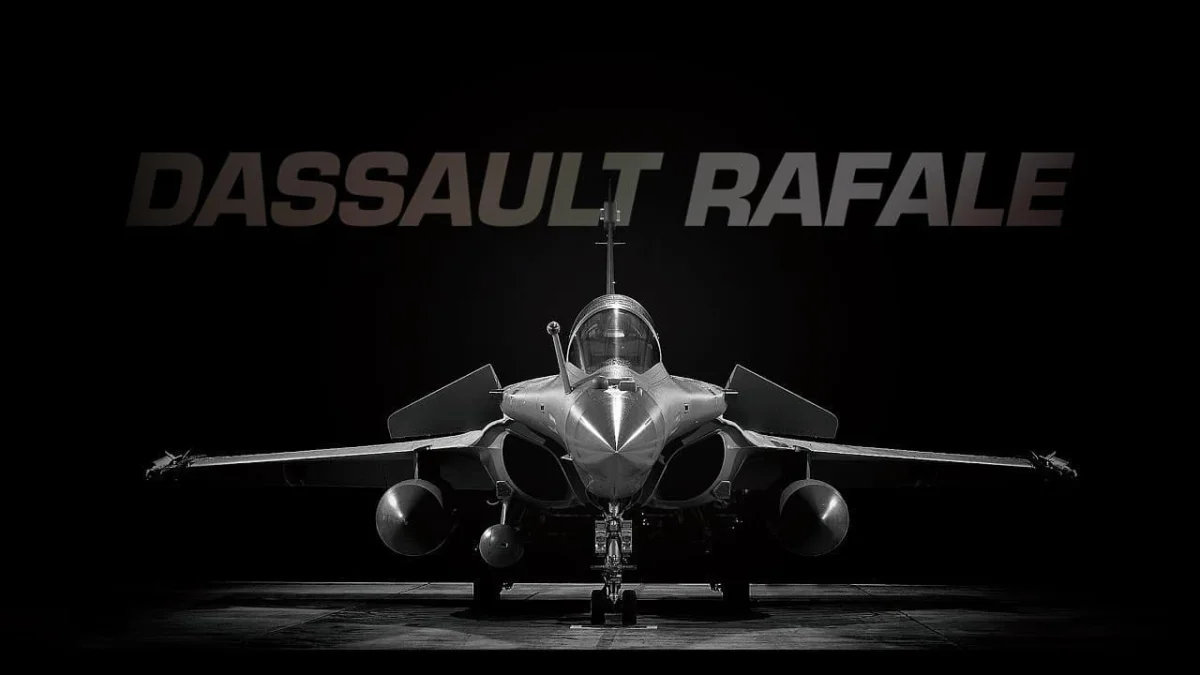
France is anticipated to deliver its official reply to India’s Letter of Request (LoR) for 114 Rafale fighter aircraft by the middle of August.
Following a request for additional time from French authorities to finalise their proposal, this response will pave the way for in-depth negotiations on cost and strategic terms.
This impending agreement represents a monumental step in what is projected to be one of the most substantial defence acquisitions in the history of the Indian armed forces.
The Indian government dispatched the LoR to Paris in May 2026, proposing a government-to-government procurement framework for the Indian Air Force (IAF).
Defence officials have noted that the mid-August timeline aligns reasonably well with the expected two-to-three-month processing window for a deal of this magnitude, meaning the schedule remains largely on track.
Once the detailed French dossier is received, bilateral talks will shift towards finalising the financial framework and technology transfer specifics.
At the heart of this landmark procurement is a strong push for indigenous defence production.
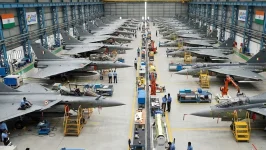
Out of the 114 fighters, 94 will be manufactured domestically through a joint venture between France’s Dassault Aviation and a local Indian partner under the "Make in India" initiative. The remaining 20 jets will arrive directly from France in a fly-away condition.
Valued at an estimated ₹3.25 lakh crore, the ambitious programme aims to achieve nearly 50 percent localisation, marking the first time the Rafale platform will be built outside its home country.
Securing these state-of-the-art jets is an operational necessity for the IAF, which is currently grappling with a declining fighter squadron strength that has fallen well below sanctioned levels.
This shortfall is primarily caused by the systematic retirement of older Soviet-era MiG aircraft, coupled with unexpected delays in the production and induction of domestic alternatives like the LCA Mark 1A and the upcoming LCA Mark 2.
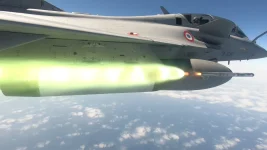
The combat-proven Rafale, which has been in active IAF service since 2020, offers a reliable and immediate solution to reinforce the nation's aerial deterrence.
This new acquisition will dramatically expand India’s existing Rafale footprint.
The IAF and the Indian Navy have already contracted a combined 62 units—36 for the Air Force from a 2016 agreement and 26 tailored for naval aircraft carriers.
The addition of 114 fighters will elevate the total to 176. Furthermore, the Indian Navy is evaluating the induction of 31 additional Rafales for maritime operations.
If these plans materialise, India’s total inventory could surpass 200 aircraft, establishing it as the largest operator of the Rafale globally outside of the French military.
The groundwork for this extensive procurement was accelerated following a comprehensive combat capability assessment conducted by the Defence Ministry shortly after Defence Secretary Rajesh Kumar Singh assumed office in 2024.
Following these strategic reviews, the Defence Acquisition Council (DAC) formally granted the Acceptance of Necessity for the 114 jets in February 2026.
This structured, government-backed approach contrasts sharply with the earlier, decade-long Medium Multi-Role Combat Aircraft (MMRCA) competition, which began in 2007 but was eventually cancelled in 2015 before being replaced by the emergency purchase of 36 fly-away jets.