- Views: 1K
- Replies: 5
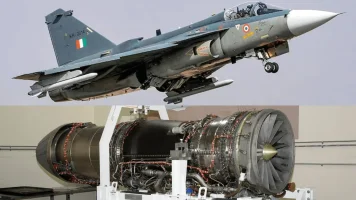
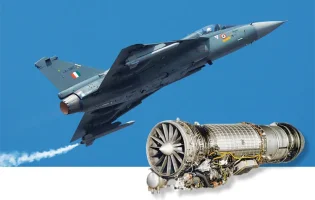
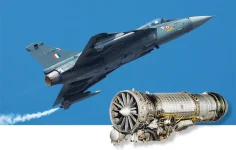
Hindustan Aeronautics Limited (HAL) is expressing strong confidence that the delivery of GE F404-IN20 engines will accelerate rapidly by the end of this year, providing vital momentum for the Light Combat Aircraft (LCA) Tejas Mk1A programme.
After receiving just seven engines to date, HAL projects that GE Aerospace will dispatch an additional 20 to 22 units before December 31. This influx is expected to clear a major bottleneck that has stalled the rollout of India’s most advanced domestic fighter jet.
To secure the long-term future of the programme, HAL also recently signed a $1 billion contract for 113 additional GE engines, supplementing the initial ₹5,375 crore deal signed in 2021 for 99 engines.
This positive outlook is driven by GE Aerospace’s push to fulfill its shipping targets before the end of its financial year.
Because the American aviation firm follows a standard January-to-December calendar year, delivering these engines by December allows the company to log the sales within its current fiscal cycle while catching up on its delayed manufacturing commitments.
For HAL, this delivery timeline offers a strategic advantage. The state-run manufacturer operates on the Indian financial calendar, which concludes on March 31.
If the projected 20 to 22 engines arrive by late December, HAL will have a critical three-month window to install them into fighter jets that are already built and waiting for final testing and acceptance.
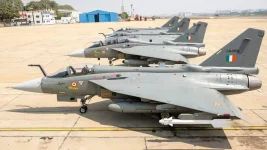
Reports indicate that HAL has already fully assembled roughly 30 Tejas Mk1A airframes, which are currently parked in storage due to the lack of engines.
This severe supply shortage has been the single biggest hurdle for the programme over the past year, keeping completed aircraft grounded.
To keep the testing process moving, HAL has even utilised older Category-B (CAT-B) engines to conduct preliminary flight trials on some of the jets, ensuring they are ready for quick integration once the new GE powerplants arrive.
Should the American engine deliveries proceed as planned, HAL aims to hand over nearly a full squadron of Tejas Mk1A fighters—including twin-seater trainer variants—by the end of March.
Achieving this would signal a massive recovery for a programme that has suffered a delay of over two years, primarily due to global supply chain disruptions affecting GE Aerospace's output.
The Tejas Mk1A is central to the modernisation of the Indian Air Force (IAF). This upgraded fighter boasts advanced features such as an Active Electronically Scanned Array (AESA) radar, modernised electronic warfare suites, and beyond-visual-range missile capabilities.
The IAF initially placed a ₹48,000 crore order for 83 jets in 2021, and the government recently cleared the acquisition of 97 more units. Despite this massive demand and HAL’s readiness, the engine scarcity has repeatedly delayed the formal handover of the jets.
Industry experts note that HAL’s manufacturing network is fully primed for high-speed production once the engine supply stabilises. Across India, suppliers have continued to build wings, fuselage sections, and landing gear.
To boost capacity, HAL recently inaugurated a third production line in Nashik, alongside its Bengaluru facilities, with the ultimate goal of churning out 24 to 30 jets annually.
A consistent supply of engines will finally allow HAL to leverage these recent infrastructure investments. While the company has spent years expanding its supply chain to meet the IAF's high production demands, these efforts have not translated into finished aircraft purely due to the propulsion bottleneck.
For the IAF, the rapid induction of these new jets is a matter of urgent national defence.
The air force's operational fighter squadron strength has dropped to roughly 29, well short of the sanctioned 42.5 squadrons required for optimal security. With legacy aircraft like the MiG-21 already retired, every new Tejas Mk1A is vital for rebuilding India’s aerial combat capabilities.
GE Aerospace has openly acknowledged the production difficulties, citing severe global shortages of critical aerospace components. However, the company has recently ramped up its manufacturing processes and has given Indian authorities firm assurances that shipments will increase sharply in the latter half of the year.
If the 20 to 22 expected engines arrive by December, GE Aerospace will have supplied a total of 27 to 29 engines in 2026. This would represent a dramatic improvement over the sluggish delivery rates seen early in the year, helping to restore faith in the international supply chain supporting India’s domestic fighter programme.
The upcoming months will be a decisive test for HAL. With dozens of airframes already built and a steady flow of engines on the horizon, the company has a clear path to finish the fiscal year on a high note.
Delivering the first squadron by March will not only make up for previous delays but will also establish a strong, sustainable production rhythm moving into 2027, ultimately securing India’s ambitions for self-reliance in defence manufacturing.