A newly emerged image of Bangladesh Air Force (BAF) personnel operating a JF-17 Thunder flight simulator provided by Pakistan has sparked widespread geopolitical discussion.
Delivered in May 2026 aboard an unmarked Pakistan Air Force C-130J aircraft, this system marks a historic shift in military relations between Dhaka and Islamabad, representing the first major transfer of Pakistani military hardware to Bangladesh since 1971.
Arriving in the wake of the first-ever formal Air Staff Talks between the two nations, this major equipment transfer strongly points to the impending addition of the fighter aircraft to the BAF inventory.
A Combat-Grade Training Platform
Unlike basic digital procedural trainers, the system handed over to Dhaka is a fully operational, combat-grade simulator for the JF-17 Block III, an aircraft co-developed by the Pakistan Aeronautical Complex (PAC) and China’s Chengdu Aircraft Corporation (CAC).This highly sophisticated platform enables Bangladeshi aviators to rehearse complex tactical missions in a lifelike combat setting well before any physical airframes land on their runways.
Furthermore, it serves as a vital hands-on tool for ground crew and engineering staff to learn complex maintenance procedures, ensuring rapid operational deployment once the actual jets are delivered.
Deepening Strategic Diplomacy
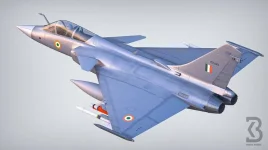
This strategic transfer occurred on the heels of crucial high-level discussions in Dhaka, spearheaded by Air Vice Marshal Aurangzeb Ahmed alongside a senior Pakistani military delegation.During these talks, Pakistani officials highlighted the combat prowess of the Block III variant, reportedly even comparing its performance metrics against platforms like the Dassault Rafale during recent regional skirmishes.
As Bangladesh aggressively pursues its 'Forces Goal 2030' modernisation drive to phase out outdated legacy fighters, the JF-17 stands out as an economically viable solution compared to earlier considerations of other international platforms.
These foundations were previously strengthened during a January 2026 meeting in Islamabad between the air chiefs of both countries, which also included agreements for the fast-tracked delivery of Super Mushshak trainer aircraft.
The Fighter Jet: Capabilities and Costs
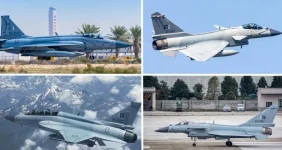
Classified as a lightweight, 4.5-generation multirole fighter, the JF-17 Thunder carries a competitive price tag of approximately US$35 to $40 million per unit, making it drastically more affordable than Western alternatives that can cost upwards of $80 million.The advanced Block III iteration boasts state-of-the-art features including the KLJ-7A Active Electronically Scanned Array (AESA) radar, integrated electronic warfare suites, and compatibility with the deadly PL-15 long-range air-to-air missile.
Procuring these jets would mark one of the most substantial aviation investments in Bangladesh's history. Open-source intelligence indicates that a massive $720 million deal might be in the works for up to 48 aircraft, starting with an initial squadron of 16 to 24 jets.
Pre-Procurement Posturing
Defence and strategic affairs experts widely interpret the arrival of this combat simulator not as a mere diplomatic gift, but as an undeniable precursor to a finalised procurement contract.Transitioning to a new fighter jet is historically one of the most time-consuming phases for any air force; having the simulator early drastically reduces this lag, allowing BAF personnel to build vital proficiency ahead of time.
This calculated transfer underscores Islamabad’s aggressive push to cement its footprint in global military exports, while simultaneously offering Dhaka a cost-effective pathway to field combat-tested aerospace technology.
Shifting Regional Air Balance
If the anticipated acquisition goes through, it will dramatically alter the established airpower dynamics in South Asia.Operating a fleet of AESA-equipped Block III fighters integrated with long-range missile capabilities would transform the Bangladesh Air Force from a modest regional player into a formidable modern force.
This shift could potentially force neighbouring nations like India to reassess their eastern border security strategies and historical assumptions regarding Dhaka's air capabilities.
The early presence of the simulator ensures that Bangladesh is fully prepared for this leap in capability, firmly illustrating Islamabad’s determination to play a central role in shaping Dhaka’s future military strength.