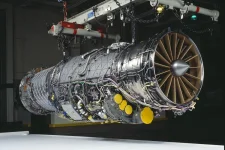
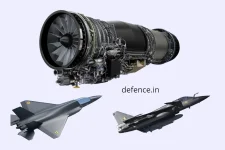
In a move to equip its frontline fleet for the future, the Indian Navy recently finalised a ₹425 crore agreement with Pune-based Bharat Forge Limited (BFL) on June 19, 2026.
Under this deal, the Ministry of Defence will procure 12 indigenous 1.25 MW Marine Gas Turbine Generators (MGTGs).
Although the immediate goal is to upgrade the auxiliary power systems on Kolkata-class destroyers, this enhancement lays the critical groundwork for hosting advanced, power-hungry systems like Directed Energy Weapons (DEWs).
Awarded under the 'Buy (Indian)' category of the Defence Acquisition Procedure, the contract mandates a minimum of 60% indigenous content and includes comprehensive lifecycle maintenance.
Slated for delivery over the next five years, these generators will be manufactured domestically. This milestone significantly cuts down the Indian Navy's traditional reliance on foreign suppliers—such as Russia and Ukraine—for crucial naval power solutions.
The Shift to Gas Turbines
Contemporary naval vessels rely on a dual power structure.The primary system is propulsion, often powered by massive gas turbines that generate 25 to 30 MW of energy to physically move the ship.
The secondary framework handles electrical power, which breathes life into the vessel's critical electronics, ranging from radars and sonars to combat management and electronic warfare systems.
Bharat Forge's new generators serve this secondary, electrical need.
Producing 1.25 MW each, these units will swap out the older, lower-capacity diesel generators currently used on Kolkata-class destroyers, which max out at roughly 1 MW.
Shifting to a gas turbine model provides the Navy with equipment that is not only lighter and more space-efficient but also packs a significantly higher power density.
This transition offers immense strategic value. Because gas turbines boast a much better power-to-weight ratio than standard diesel alternatives, ships can generate more electricity without needing extra physical space.
Furthermore, they adapt quickly to sudden spikes in power requirements—a crucial trait as modern warfare systems demand more energy than ever before.
Preparing for Next-Generation Warfare
In the short term, this power boost will enhance the performance of the Kolkata-class’s current onboard technology, such as its MF-STAR multifunction radars, advanced sonars, and jamming suites.However, the true value of these 1.25 MW generators lies in the massive growth potential they offer for tomorrow's untested technologies.
The 12 newly ordered units are expected to be divided among the three destroyers in the Kolkata class, granting each ship roughly 5 MW of dedicated auxiliary electrical power.
This massive energy reserve will seamlessly allow the vessels to host next-generation combat assets that would otherwise drain a standard ship's electrical grid.
Chief among these upcoming innovations are Directed Energy Weapons (DEWs).
The Indian Navy is actively looking to field laser systems to intercept drones, execute missile defence, and provide close-quarters protection for the fleet.
Unlike traditional firearms or missiles, DEWs rely entirely on a massive, uninterrupted flow of electricity to fire sustained laser beams.
By freeing up megawatts of spare power, these destroyers transform into ideal platforms for laser warfare.
India's Defence Research and Development Organisation (DRDO) has already made strides with ground-based lasers, and as these technologies evolve, placing them on warships is the natural next step.
With the extra capacity provided by the new MGTGs, the destroyers will easily support high-energy lasers in the 300 kW to 500 kW range.
These energy classes are highly effective at disabling hostile drones, taking out loitering munitions, and deterring small enemy boats, paving the way for even stronger systems in the future.
Strengthening the Defence Ecosystem
Aside from laser weaponry, the upgraded power grid will feed stronger radars, smarter communication networks, and more complex electronic warfare arrays.As the modern battlefield relies heavily on controlling the electromagnetic spectrum, raw electrical generation is now a primary factor in a warship's combat readiness.
This deal also acts as a massive catalyst for India's defence manufacturing sector.
For Bharat Forge, delivering these 1.25 MW units is a foundational step; the firm has outlined plans to establish a dedicated integration and test facility to eventually build larger auxiliary turbines and, ultimately, massive propulsion-class systems.
Building this expertise locally is a monumental leap for India's goal of self-reliance in both maritime and aerospace propulsion.
By weaning the Navy off imported power generation equipment, this five-year project secures India's industrial foothold in one of the most complex arenas of naval engineering and strengthens the broader domestic defence manufacturing ecosystem.