- Views: 4K
- Replies: 14
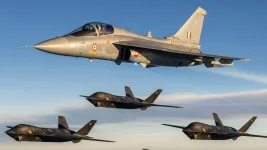
The Indian Air Force (IAF) is set to significantly bolster its western front by deploying the first four squadrons of the indigenous Tejas Mk1A fighter jet to forward air bases in Rajasthan.
This strategic move aims to enhance rapid response capabilities and ensure high operational frequency along the border with Pakistan.
Strategic Hubs at Nal and Phalodi
According to sources, Nal Air Force Station in Bikaner will serve as the primary base for the new fleet.It is scheduled to host the first and third squadrons of the Tejas Mk1A as they are inducted.
These advanced aircraft will replace the veteran MiG-21 "Bison" units, which have been the mainstay of the base for decades.
Phalodi Air Force Station, another critical forward location in Rajasthan, has been designated to house the second Tejas Mk1A squadron.
Authorities are currently expanding the base's infrastructure to support a growing number of indigenous fighter jets in the coming years.
Together, Nal and Phalodi will form the core of India’s Light Combat Aircraft (LCA) operations in the western theatre.
Shift in Operational Doctrine
The decision to station these agile, modern platforms so close to the international border reflects a shift in the IAF’s combat strategy.By positioning the Tejas Mk1A at forward bases, the Air Force minimizes the time required to respond to aerial threats.
This proximity allows for a sustained "Quick Reaction Alert" posture and enables the fleet to fly a higher number of sorties during active contingencies.
Advanced Capabilities and Infrastructure
The transition from the legacy MiG-21s to the Tejas Mk1A represents a major technological leap for India's border defence.The Mk1A variant is equipped with:
- AESA Radar: Providing superior target detection and tracking.
- Electronic Warfare (EW) Suite: Enhanced protection against enemy radar and missiles.
- BVR Missiles: The ability to engage threats from long distances using indigenous weapons like the Astra.
- Mid-air Refueling: Extending the range and endurance of missions.
These include the construction of hardened aircraft shelters (HAS) to protect the fleet from external strikes, as well as modernized maintenance hangars and specialized mission planning centres.
Strengthening Atmanirbhar Bharat
The deployment follows a massive push for self-reliance in the defence sector.The IAF has a total of 180 Tejas Mk1A jets on order from Hindustan Aeronautics Limited (HAL).
This roadmap not only modernizes the fighter fleet but also ensures that India’s most sensitive borders are protected by locally developed technology, reducing dependence on foreign spare parts and maintenance during times of conflict.