- Views: 1K
- Replies: 2
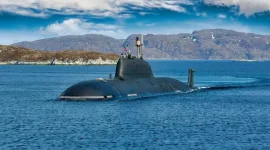
India will pay about $2 billion to lease a nuclear-powered submarine from Russia, according to people familiar with the matter, finalizing delivery of the vessel after roughly a decade of talks just as President Vladimir Putin makes a visit to New Delhi this week.
Talks for leasing the attack submarine from Russia had stalled over the years because of price negotiations, the people said, asking not to be identified because the discussions are private. The two sides have now agreed on the deal, with Indian officials visiting a Russian shipyard in November, they said. India expects to take delivery of the vessel within two years, although the complexity of the project means it could be later, they said.
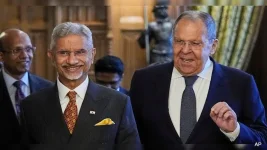
Putin is set to arrive in India on Thursday for his first visit to the country since Russia’s full-scale invasion of Ukraine. He’ll meet Prime Minister Narendra Modi to underscore defense and energy ties between the two countries.
Modi has moved to boost ties with Russia and China in recent months, asserting India’s strategic autonomy after US President Donald Trump hit the nation’s goods with punitive tariff rates of 50%. Modi’s government is currently negotiating a trade deal to reduce those duties, which were imposed as part of Trump’s push to pressure India to stop buying Russian oil as he looks for leverage on Putin to end the fighting in Ukraine.
Ahead of Putin’s visit, India’s Chief of Naval Staff Dinesh K. Tripathi told reporters this week that the commissioning of the attack submarine would be expected soon, without providing details. The submarine would be larger than the two already part of the navy’s fleet.
India’s Ministry of External Affairs and Ministry of Defence didn’t respond to emails seeking further information. Russia’s Foreign Ministry, Ministry of Defence and Rosoboronexport also didn’t respond to requests for comment. India has developed nuclear-capable submarine-launched ballistic missiles (SLBMs), which in theory give it the so-called triad of atomic weapons that can be delivered from land, sea and air, the Nuclear Threat Initiative said in a report.
Nuclear-powered vessels are vastly superior to diesel-electric counterparts. They are typically larger, can stay submerged far longer and are quieter, making them harder to track, especially when patrolling the vast areas of the Indian and Pacific oceans. India currently operates 17 diesel-powered subs, NTI said.
India’s nuclear-powered submarines used for strategic deterrence are indigenously built and designed to carry SLBMs. India is also preparing to build nuclear-powered attack submarines, designed to hunt and destroy enemy subs and surface ships.
Training Purposes
Under the lease terms, the Russian attack sub cannot be used in war. It would help India train sailors and refine nuclear-boat operations as it builds its own vessels, the people said.
The Russian leased vessel would be with India’s Navy for 10 years. The last Russian boat, also on a lease for 10 years, returned in 2021, the people said. The contract for the lease would include maintenance, they said.
As the Indian Ocean region draws more attention, interest in such vessels has grown. Australia is teaming up with the UK and US to build similar boats under the AUKUS security partnership. Until now, only a few nations — the US, UK, France, China and Russia — have had the technology to deploy and operate nuclear-powered submarines.
South Korea is also working the US to build nuclear-powered subs.
India continues to maintain longstanding ties with Moscow while pursuing deeper links with the US. It has reduced its reliance on Russian weapons by acquiring more arms from the US and European countries.
Even so, Modi’s decision to rely on Russia for nuclear submarines shows India’s ease with Moscow on critical platforms, despite criticism from Trump.
“They have bought vast majority of their military equipment from Russia and are Russia’s largest buyer of energy with China,” Trump said in a Truth Social post in July. The US has pressured India to stop buying Russian oil, introducing a 25% “secondary tariff” on US imports of Indian goods from late August.India’s third ballistic missile submarine is expected to join the nuclear forces next year, according to Tripathi. In addition, India is building two nuclear-powered attack submarines, Bloomberg News reported.