- Views: 2K
- Replies: 6
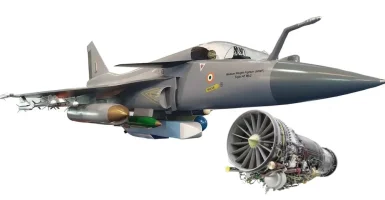
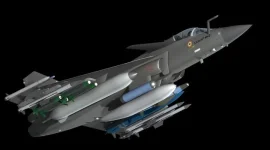
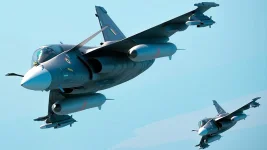
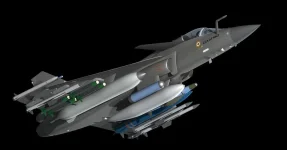
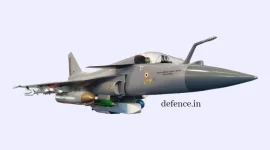
At the R Defence Forces First Conclave 2026, the primary architect of India's Light Combat Aircraft (LCA) initiative, Prof. Dr. Kota Harinarayana, offered important updates on the Twin Engine Deck Based Fighter (TEDBF) project.
He highlighted that the aircraft's design phase is nearly complete, and the programme is now awaiting the green light from the Cabinet Committee on Security (CCS). Once this critical government approval is secured, the manufacturing process can move forward at a fast pace.
The former Tejas chief designer noted that the TEDBF has successfully evolved past its initial planning stages and is ready for full-scale development. If the project progresses without hurdles, the first test prototype could complete its maiden flight within five years of receiving CCS clearance.
Furthermore, the aircraft is expected to officially join the Indian Navy in about eight years, paving the way for induction in the early 2030s.
These statements deliver a highly anticipated timeline for the country's next-generation naval fighter. Over the coming decades, this locally designed platform is set to become the backbone of India's carrier-based air power.
The TEDBF is a joint effort spearheaded by the Aeronautical Development Agency (ADA) alongside the Defence Research and Development Organisation (DRDO) and Hindustan Aeronautics Limited (HAL).
This twin-engine, multirole combat jet is being custom-built to operate seamlessly from India's current aircraft carriers, INS Vikramaditya and INS Vikrant, and will be fully compatible with any future carriers built by the nation.
Earlier, the naval version of the Tejas functioned mostly as a testbed to prove certain deck-landing technologies. In contrast, the TEDBF is designed from the very beginning to be a dedicated frontline fighter capable of handling the intense demands of daily maritime combat missions.
To survive the harsh conditions at sea, the fighter will feature heavy-duty landing gear and a toughened airframe, allowing it to endure the massive stress of ski-jump takeoffs and wire-arrested landings.
It will also have folding wings—reducing its wingspan from 11.2 metres to just 7.6 metres—to save space inside cramped carrier hangars.
The jet will be packed with cutting-edge technology, including the indigenous Uttam Active Electronically Scanned Array (AESA) radar, advanced electronic warfare suites, and the ability to fire a variety of modern missiles and anti-ship weapons.
With an estimated maximum takeoff weight of 26 tonnes, it represents a massive leap in capability.
Because the foundational design and engineering work is largely finished, the transition into building the actual aircraft will be remarkably swift post-approval. This preparedness is crucial, as it drastically cuts down the lead time required to assemble prototypes and begin physical flight trials.
A particularly striking highlight from his address involved the projected scale of the Indian Navy's future fighter fleet.
Although earlier plans indicated an initial requirement of around 88 TEDBF jets, Prof. Harinarayana revealed that the Navy's true operational needs will likely surpass 120 aircraft.
This implies that the first batch of orders is just the beginning of a larger strategy to supply multiple carrier strike groups throughout the aircraft's operational lifespan.
Expanding the fleet to over 120 jets ensures the Indian Navy has enough firepower to maintain two active carrier battle groups at the same time. This number also guarantees sufficient reserves for pilot training, routine maintenance cycles, and natural fleet attrition.
Furthermore, it leaves room for future growth as India looks toward constructing additional aircraft carriers.
Ultimately, the TEDBF will replace the Navy's existing Russian-origin MiG-29K fleet currently deployed on INS Vikramaditya and INS Vikrant.
While the MiG-29K has served as the backbone of naval aviation for years, the armed forces need a more reliable domestic platform that offers better range, higher weapon payload limits, and simpler maintenance.
In the short term, the TEDBF will operate alongside the 26 Dassault Rafale M fighters that India has recently contracted to purchase.
The Rafale jets will provide an immediate boost to the Navy's combat readiness, but the TEDBF remains the permanent, home-grown solution for India's maritime defence.
Working together, these two fleets will ensure a seamless handover of duties as the older MiG-29K jets are gradually phased out.
The fighter will be equipped with two General Electric F414 turbofan engines, capable of producing up to 98 kN of thrust each with afterburners. This will give the TEDBF significantly more power than the legacy MiG-29K.
The aircraft will also boast stealthy frontal design features, advanced data networking, and the ability to launch modern home-grown weapons like the Astra air-to-air missile and the Rudram anti-radiation missile.
To keep risks low and speed up the timeline, the project will borrow established technologies from the Tejas Mk2 and the fifth-generation Advanced Medium Combat Aircraft (AMCA) programmes.
By sharing parts like flight control systems, mission computers, and electronics, the military will benefit from cheaper maintenance and standardisation across its future fighter fleets.
If this proposed schedule holds true, the first TEDBF prototype will be in the air well before the early 2030s, allowing frontline service to start soon after.
This ambitious roadmap perfectly matches the Indian Navy's broader vision of replacing imported hardware with advanced, indigenously built weapons for its growing fleet of aircraft carriers.