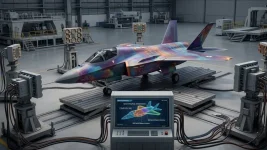
Data Patterns India Ltd is making steady progress on its HAWK-I airborne Active Electronically Scanned Array (AESA) radar project for the Indian Air Force's MiG-29 and Su-30MKI fleets.
While the physical components are fully built, the firm is currently focusing on finalising the critical software needed to make the advanced system ready for actual flight tests.
During their recent financial briefing for the first quarter of 2026-27, the company's leadership confirmed that the hardware for these fighter jets is complete and meets global standards, featuring cutting-edge Gallium Nitride (GaN) technology.
However, the primary hurdle now is developing the software required to seamlessly link and run the radar on these specific combat planes.
Initially, Data Patterns had planned to acquire this crucial software from a third-party vendor, but that arrangement fell through.
As a result, the indigenous defence firm is now exploring several alternative strategies to finish the project, including high-level talks with India's Defence Research and Development Organisation (DRDO) as well as the original Russian manufacturers of the jets.
The company's executives noted that dialogues are actively taking place with the DRDO to see if a joint effort can resolve the software integration challenges.
Simultaneously, they have reached out to the Russian aerospace companies that originally built the Sukhoi and MiG fighters to check if they can lend their technical expertise to the integration process.
Management anticipates that the situation will become much clearer over the next two to three months, hoping for a major breakthrough.
Once the software glitch is resolved and successfully synced with the aircraft, the radar can finally advance to the crucial stages of airborne testing and official certification.
This milestone is quite important because the most complex physical architecture of the radar is already finished.
The remaining tasks revolve heavily around coding, system integration, and testing, meaning the company does not have to restart the ambitious defence project from the beginning.
To cut down on its reliance on outside help, Data Patterns is also taking a parallel approach by coding its own radar software.
For now, they are using Unmanned Aerial Vehicles (UAVs) as initial testing platforms. This clever method lets the engineers safely trial the software architecture and radar performance in the air before moving on to the much more complex fighter jets.
According to the leadership, certain clients are actually asking for these drone-based aerial demonstrations, making UAVs an excellent stepping stone.
This strategy gives the company the flexibility to carefully build, test, and improve its software while avoiding the high risks of putting untested systems directly into manned fighter aircraft.
Looking toward the future, the firm is also designing a newer generation of the HAWK radar family, built specifically for mass production.
Data Patterns plans to dedicate the next six months to maturing these advanced systems so they are fully prepared to deliver when the government issues large-scale manufacturing contracts for fleet modernisations like the IAF's "Super Sukhoi" upgrade programme.
This move marks a major evolution in the company's business model. Instead of just creating radar hardware and waiting on another agency to supply the software, Data Patterns is taking charge to gain complete mastery over the entire radar ecosystem.
By developing end-to-end radar solutions, the company aims to stop depending on external partners for bits and pieces of a project. If this new strategy works, the defence electronics manufacturer will have the ultimate flexibility to tweak its technology, fit it onto various aerial platforms, and quickly meet the specific needs of the armed forces.
For the current MiG-29 and Su-30MKI upgrades, though, finishing the software and integration remains the top focus. Data Patterns frankly admitted that it will take several more months of hard work before a guaranteed path to operational deployment is visible.
Ultimately, this situation highlights the larger complexities India faces in modernising its older combat jets with home-grown electronics under the Atmanirbhar Bharat initiative.
Building world-class radar hardware is just one piece of the puzzle. Making the software talk to the aircraft's computers, ensuring environmental safety, and conducting flight trials are often equally demanding—if not harder—steps in achieving true indigenous defence capabilities.