- Views: 724
- Replies: 3
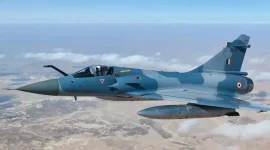
The Indian Air Force (IAF) has initiated a calculated strategy to maintain the combat readiness of its Mirage 2000 fighter aircraft.
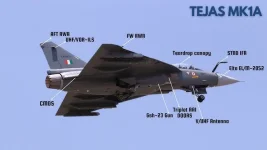
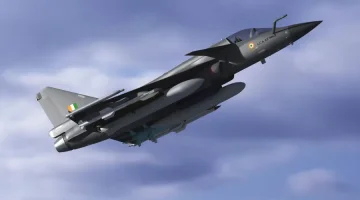
With the indigenous Light Combat Aircraft (LCA) Tejas Mk2 expected to make its maiden flight in late 2026, it will still take several years before the new jets are mass-produced and integrated into active squadrons.
To bridge this upcoming three to five-year operational gap, the IAF is upgrading its maintenance infrastructure to ensure the older fleets remain a formidable and available force.
To achieve this, the air force recently issued updated Requests for Proposal (RFPs) to procure specialized Automatic Test Equipment (ATEC) benches specifically for the Mirage 2000.
These advanced systems serve as highly capable diagnostic hubs for the fighter jet's complex electronic architecture.
By quickly identifying and isolating faults in Line Replaceable Units (LRUs), these test benches allow Indian ground crews to repair critical avionics locally.
This completely eliminates the costly and time-consuming process of shipping components back to the original equipment manufacturers (OEMs) in France.
Originally inducted in the mid-1980s and renowned for its decisive roles in the 1999 Kargil War and the 2019 Balakot airstrikes, the Dassault Mirage 2000 remains one of India's most dependable multi-role fighters.
Although a comprehensive Mid-Life Upgrade (MLU) equipped the fleet with modern RDY-2 radars, glass cockpits, and advanced MICA missiles, the natural aging of electronic components leads to higher failure rates.
The procurement of new diagnostic equipment is not merely standard upkeep; it is a vital, targeted intervention to manage these age-related issues and keep sortie generation rates high.
The urgency of this maintenance overhaul is closely tied to the IAF's larger fleet restructuring plans.
India’s dedicated deep-strike fighter, the SEPECAT Jaguar, is scheduled to begin its gradual retirement phase starting around 2028.
As the aging Jaguars are steadily withdrawn from service, the operational burden on the remaining fighter squadrons—particularly the Mirage 2000s—will sharply increase.
A robust support network is absolutely essential to prevent any decline in the nation's overall aerial firepower before new platforms can shoulder the load.
Boosting domestic diagnostic capabilities also significantly reduces India's dependence on foreign suppliers for routine aircraft upkeep.
This approach seamlessly complements the national objective of achieving total self-reliance in the defence sector, where logistics and rapid repair cycles are just as important as new acquisitions.
By shrinking the turnaround time for faulty parts at local airbases and repair depots, the IAF can ensure that a maximum number of fighters are airworthy at a moment's notice.
Ultimately, the strategic objective is to keep the Mirage 2000 operating at its absolute peak until a smooth handover to the Tejas Mk2 is possible.
The upcoming Tejas Mk2—a heavier, 4.5-generation fighter featuring the powerful GE-F414 engine and superior weapon-carrying capacity—will eventually replace both the Mirage and Jaguar fleets.
Until those production lines are running at full capacity, modernizing the technical infrastructure to support the proven avionics of existing jets will ensure India's skies remain secure.