- Views: 2K
- Replies: 5
While India has made impressive strides in domestic shipbuilding, weaponry, and system integration, its reliance on overseas suppliers for naval vessel propulsion remains a significant weak point.
In recent discussions with the parliamentary Standing Committee on Defence (SCOD), Indian Navy officials pointed out that relying on foreign Original Equipment Manufacturers (OEMs) for vital marine engines severely limits the nation's journey toward total self-sufficiency in the defence sector.
The country's shipyards have mastered the art of designing and constructing intricate warships locally, yet the absence of home-grown main propulsion units acts as a major operational hurdle.
Marine engines are incredibly complex and represent one of the most strictly regulated areas of military manufacturing.
Consequently, these systems are frequently bound by rigid export laws and a reluctance from foreign powers to share core technological know-how.
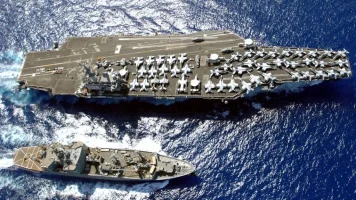
The last ten years have witnessed remarkable growth in India's maritime capabilities, highlighted by the local manufacturing of advanced submarines, frigates, destroyers, and even aircraft carriers.
Despite these triumphs, the core power plants—specifically marine diesel engines, gas turbines, and sophisticated integrated electric propulsion systems—are predominantly imported.
Historically, major Indian warships have frequently relied on foreign systems like the American GE LM2500 or Ukrainian Zorya-Mashproekt gas turbines, highlighting the physical limits of current domestic production.
Relying on international vendors leaves the Indian Navy exposed to unpredictable supply chain disruptions and shifting geopolitical landscapes.
Global conflicts, such as the ongoing war in Ukraine, can suddenly sever access to vital components, causing massive procurement delays.
If crucial engines or their spare parts are unavailable during ship construction or routine refits, it directly degrades the fleet's timeline and overall combat readiness.
To conquer this engineering challenge, the Ministry of Defence has initiated multiple targeted development efforts primarily channelled through the Make-1 Scheme and the Technology Development Fund (TDF).
These state-backed frameworks are specifically engineered to fund and support ambitious, high-reward research and development (R&D) operations right here in India.
This effort aligns seamlessly with broader national frameworks like the Indian Naval Indigenisation Plan (INIP) and the Swavlamban initiatives, which explicitly aim to transition India from a "buyer's navy" to a completely independent "builder's navy."
Projects classified under the Make-1 category receive robust government financial support to tackle massive, strategically vital systems, making it the ideal route for conquering complex marine propulsion technology.
In tandem, the TDF mechanism is geared towards empowering smaller enterprises, private tech firms, and start-ups to pioneer specialised, niche maritime technologies that support the broader ecosystem.
Through these avenues, organisations like the Defence Research and Development Organisation (DRDO) and various public sector units are actively pursuing indigenous alternatives, such as the Kaveri Marine Gas Turbine and high-power diesel engine frameworks, in collaboration with domestic industry.
Ultimately, securing domestic expertise in marine propulsion is far more than an engineering milestone; it is an absolute strategic necessity.
An engine dictates a vessel’s core combat attributes, including its stealth profile, operational range, and top speed.
Furthermore, mastering this technology guarantees full lifecycle independence.
It ensures that the Indian Navy has uninterrupted access to necessary upgrades, routine maintenance, and critical spare parts on its own terms.
Until true autonomy in engine production is achieved, India's most modern, indigenously constructed warships will continue to be tethered to foreign dependencies.