- Views: 4K
- Replies: 17
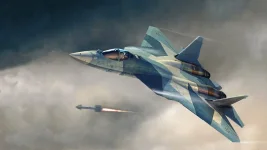
If India chooses to join the Su-57 fifth-generation fighter jet initiative, building the aircraft within the country would offer immense financial benefits, states Indian Air Force veteran Group Captain Uttam Kumar Devnath (Retd).
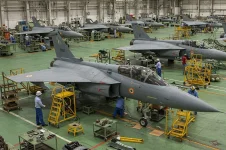
He points out that India's long history of manufacturing Russian combat aircraft makes the prospect of domestic assembly and gradual localisation a highly practical and strategic move.
The foundation for this optimism is the decades of experience Indian aerospace industries have gained from building MiG fighters and the Su-30MKI.
This history has helped establish a strong manufacturing base that is already well-aligned with Russian engineering standards.
Because Indian technicians and engineers are deeply accustomed to Russian methods of materials science, airframe construction, and system integration, they would face a much shorter learning curve.
Devnath notes that skipping this initial familiarisation phase would quickly drive down overall expenses and speed up delivery schedules.
Historically, Russian defence agreements have permitted a higher degree of local manufacturing compared to Western platforms, which often come with strict intellectual property restrictions.
This flexibility presents an opportunity for India to do more than simply assemble imported kits.
According to Devnath, an initial production run could feature roughly 30 percent locally made components—such as flight software, avionics, and basic structural parts—eventually rising to 70 percent.
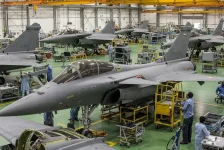
Recent assessments from Hindustan Aeronautics Limited (HAL) echo this readiness, with reports suggesting that nearly half of HAL's existing Su-30MKI manufacturing facilities could be seamlessly repurposed for the Su-57 with minimal new investment.
Producing the Su-57 domestically would have wide-ranging positive effects.
Building the jet in India lowers the price of each aircraft by reducing international shipping and foreign labour costs.
Furthermore, creating a local supply chain for spare parts and maintenance would vastly reduce the financial burden of keeping the jets operational over their lifespan.
Crucially, such an endeavour strongly supports the Indian government's "Atmanirbhar Bharat" (Self-Reliant India) initiative by bolstering domestic defence capabilities.
On the operational front, Russian jets have a proven track record of longevity within the Indian Air Force.
Legacy fleets like the MiG-21, MiG-29, and the modern Su-30MKI have reliably protected Indian skies for decades, aided by regular technical updates.
Should the Su-57 enter active service by the mid-2030s, Devnath believes it could remain a primary combat asset well into the second half of this century, absorbing future advancements in engine technology, radar systems, and modern weaponry.
The extended operational life of the aircraft makes the financial case for a local assembly line even more appealing.
The initial capital spent to build factories and establish supply networks would pay off over many decades, resulting in a much lower cost per flying hour than buying fully built jets from abroad.
Moreover, having the production line at home ensures that India retains the freedom to upgrade the aircraft according to its own military strategies, without relying on foreign approvals.
Reaching the ambitious goal of 70 percent local content will still present technical hurdles.
Mastering complex areas like radar-evading stealth coatings, next-generation jet engines, and advanced sensor arrays will likely require ongoing partnerships with Russia, alongside India's own research efforts.
Despite these challenges, Devnath argues that even successfully manufacturing specific high-tech systems like electronic warfare suites and avionics locally would deliver massive strategic and financial rewards.
From a broader strategic perspective, manufacturing the Su-57 could act as a vital stepping stone.
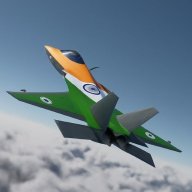
As the Indian Air Force faces a notable shortage in active fighter squadrons, a locally built stealth platform would bridge the gap between today's fourth-generation jets and India's upcoming Advanced Medium Combat Aircraft (AMCA).
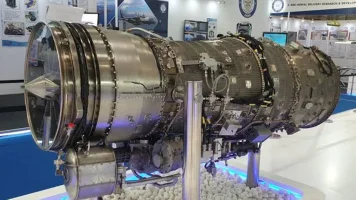
Recent reports indicate that Russia is increasingly pitching deep technology transfers—including potential access to their latest engine designs—which could help Indian scientists absorb critical fifth-generation manufacturing knowledge.
This experience would ultimately accelerate the AMCA timeline while ensuring India maintains a robust air defence in a challenging regional security environment.