- Views: 2K
- Replies: 1
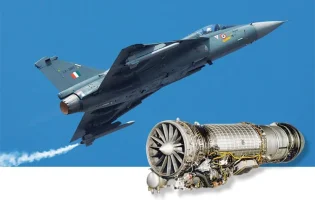
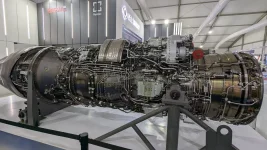
British aerospace giant Rolls-Royce has shared new updates on its foundational work in India for a proposed 120kN-class fighter engine. This powerplant is aimed at the Advanced Medium Combat Aircraft (AMCA) programme.
The company highlighted that substantial strides have already been made in creating the essential technologies required for the core of this advanced engine.
Discussing the firm's ongoing collaboration with India, Sashi Mukundan, Executive Vice President (Transformation) at Rolls-Royce India, explained that their future engine strategy is built upon nine vital technological components.
These elements form the bedrock of any modern, high-performance military turbofan.
According to Mukundan, two of these crucial components have already been developed locally in India. Furthermore, work on five more parts is currently in progress, with completion anticipated by the final quarter of this year.
Mukundan also noted that the development of the final remaining technologies is on track. All nine foundational components are projected to be finalised by the end of the first quarter of next year.
Reaching this milestone will clear the path for the creation and testing of the engine core, which is widely considered one of the most demanding stages in building an advanced combat aircraft engine.
These updates offer a unique look into the groundwork taking place before New Delhi makes a final decision on its next-generation engine partner.
While much of the public focus has been on the rivalry between Rolls-Royce and its French competitor, Safran, for the AMCA project, this technological progress shows that serious efforts are already underway to minimise future technical risks and speed up the development process.
Creating a modern fighter jet engine is an incredibly complex engineering feat. It demands a deep understanding of advanced metallurgy, heat-resistant materials, turbine blade manufacturing, thermal management, compressor design, and digital controls.
Historically, even nations with highly developed aerospace sectors have required decades to master and refine these precise capabilities.
The importance of mastering these nine critical elements goes far beyond the AMCA project itself.
Establishing these technological capabilities within India would be a massive leap towards building a domestic aero-engine industry, which could eventually support various future military and civilian aerospace ventures.
Aerospace experts frequently point out that mastering advanced engine technology is one of the last major hurdles for India to achieve total self-reliance in defence manufacturing.
Rolls-Royce's comprehensive offer for the AMCA engine extends beyond simply co-developing a 120kN-class powerplant.
The proposal includes a complete transfer of critical knowledge and joint intellectual property (IP) rights, which is essential for any future upgrades.
The British company has stressed its goal to build a lasting sovereign aerospace ecosystem in India—potentially employing up to 1,000 engineers at a dedicated design centre—moving away from standard licensed production agreements to ensure true technological independence.
The schedule shared by Mukundan matches Rolls-Royce's previously announced roadmap for the engine.
The firm has projected that if an agreement is finalised by the end of 2026, the engine core could undergo testing by 2030.
This would be followed by initial ground testing in 2032, flight tests in 2034, and full-scale production readiness by 2036.
By having all nine crucial technologies prepared before the core development starts, engineers can rely on a solid technological base, thereby reducing the overall risk of the programme.
The engine remains one of the most critical and strategic elements of the AMCA initiative.
Although the initial Mk1 variants of the fighter jet are slated to fly with the American GE F414 engine, recent reports indicate that negotiations with GE Aerospace have faced challenges due to significant price escalations.
Consequently, India's long-term plan to equip the advanced Mk2 versions with a domestically produced 120kN-class engine has gained even more urgency.
This transition is vital for achieving superior aircraft performance and ensuring greater strategic independence in the defence sector.
Rolls-Royce's recent statements demonstrate the company's eagerness to transfer high-end technology and its strong belief in India's ability to quickly absorb and advance these propulsion capabilities.
If these upcoming milestones are met on schedule, India will soon have all the fundamental elements needed to launch one of the most ambitious and transformative aerospace initiatives in its history.