- Views: 4K
- Replies: 12
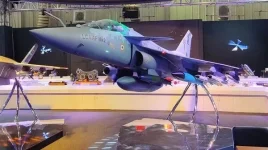
India’s ambitious Tejas Mk2 Medium Weight Fighter (MWF) project is rapidly approaching its highly anticipated first flight.
With the prototype nearly finished, the Centre for Military Airworthiness and Certification (CEMILAC) is fast-tracking First Flight Clearance (FFC).
Crucial ground evaluations, including both low-speed and high-speed taxi trials, are scheduled to begin imminently to rigorously verify the jet's braking, steering, and directional control.
Bridging the Capability Gap
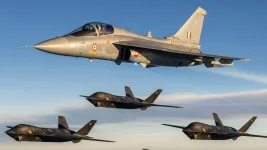
Designed by the Aeronautical Development Agency (ADA) in collaboration with Hindustan Aeronautics Limited (HAL), the Tejas Mk2 is a vital upgrade for the Indian Air Force (IAF).It is slated to replace the ageing fleets of Jaguars, Mirage 2000s, and MiG-29s, with the IAF initially projecting a requirement for 110 to 120 of these jets.
Unlike its predecessor, the Tejas Mk1A, the Mk2 is a true medium-weight contender.
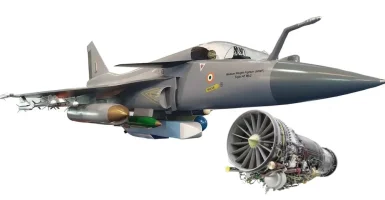
It boasts a larger frame, expanded fuel reserves, and a significantly higher payload capacity—estimated at around 6.5 tonnes across 11 hardpoints.
Armed with advanced avionics, including the indigenous Uttam Active Electronically Scanned Array (AESA) radar, the Mk2 bridges the gap between light fighters and heavier platforms like the Rafale, offering enhanced maintainability and mission flexibility.
Accelerated Testing and Proven Technology
To expedite the testing phase, the first prototype will forgo its final paint job, taking to the runway in its bare yellow primer.This practical decision allows engineers to prioritise crucial structural and system evaluations over cosmetic finishing, paving the way for incremental upgrades across subsequent prototypes.
The development team has also mitigated risks by relying on proven, mature technologies.
The Mk2 features an advanced iteration of the Digital Flight Control Computer (DFCC) already validated on the Mk1A.
This upgraded DFCC offers superior processing power, ensuring smoother handling, safer flight control laws, and seamless integration with the aircraft's advanced mission systems.
Engine Milestones and Indigenous Production
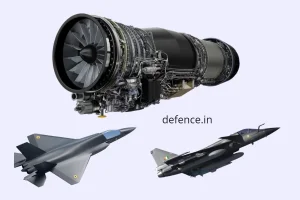
Powering this 17.5-tonne fighter is the American-origin General Electric F414-INS6 turbofan engine, capable of generating 98 kN of thrust.Static engine testing is slated for the coming weeks to examine thermal dynamics, intake efficiency, and overall propulsion reliability under controlled conditions.
In a major milestone for India's domestic aerospace sector, technical negotiations for a 100% Transfer of Technology (ToT) for the F414 engine were successfully concluded in early April 2026.
This landmark agreement ensures that HAL can begin manufacturing these engines within India by 2028, significantly reducing import dependency and boosting self-reliance in defence manufacturing.
The Road to Induction
Looking ahead to operational deployment, HAL has proposed initiating Limited Series Production (LSP) by the end of 2029, pending official clearance from the IAF.- Concurrent Evaluation: Under this accelerated timeline, 8 to 12 pre-production jets would be handed over early to the Aircraft and Systems Testing Establishment (ASTE).
- Rapid Deployment: By integrating weapons and conducting operational evaluations concurrently, the IAF can compress the timeline between development and full-scale induction.
As it clears these final developmental hurdles, the Tejas Mk2 stands poised to become a cornerstone of India’s future air power strategy and its most capable indigenous fighter platform to date.