- Views: 2K
- Replies: 1
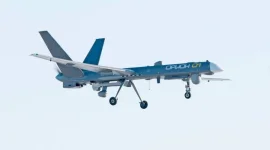
India’s sweeping initiative to acquire 87 Medium Altitude Long Endurance (MALE) Unmanned Aerial Vehicles (UAVs) for its armed forces is reaching a critical milestone.
By mid-2026, the Ministry of Defence is expected to move the ₹25,000 crore project from the Request for Proposal (RFP) stage to the Request for Quote (RFQ) phase.
Originally launched in late 2025 under the Make in India framework, the tender called upon domestic firms to submit comprehensive bids.
To meet these high-tech requirements, leading Indian defence players—such as Adani Defence, Tata Advanced Systems, Larsen & Toubro, and Hindustan Aeronautics Limited (HAL)—have strategically teamed up with global aerospace giants like Israel Aerospace Industries (IAI), Elbit Systems, and the US-based General Atomics.
The deadline for bid submissions has been pushed back to the end of May 2026. This extension highlights the intricate nature of the procurement, as well as the impact of global events.
While a few corporations have already handed in their paperwork, others requested more time to iron out complex commercial and technological agreements.
A major reason for this delay stems from the ongoing geopolitical instability in West Asia. These regional tensions have caused logistical and administrative hurdles for Israeli manufacturers and their Indian counterparts, slowing down the finalization of their joint proposals.
Even with the revised timeline, the procurement process is pushing forward steadily. The Ministry of Defence's readiness to initiate the RFQ phase shows confidence in the quality of the incoming bids.
During this next stage, the evaluation will shift from general compliance to a strict assessment of pricing and specific capabilities.
Reviewers will closely examine the drone specifications, ensuring they meet the government's strict mandate of containing at least 60% indigenous content.
Furthermore, the authorities will scrutinize the nature of the joint ventures, local manufacturing plans, and long-term maintenance strategies.
Following the commercial quotes, the drones will undergo a tough technical evaluation to ensure they meet the specific needs of the Army, Navy, and Air Force, with the Indian Air Force taking the lead on the project.
The military requires these UAVs to be capable of flying for over 30 hours continuously at an altitude exceeding 35,000 feet. Assessors will test the aircraft for endurance, payload capacity, secure communication links, and their potential to be armed in the future.
Additionally, the Ministry of Defence will verify that foreign partners are genuinely transferring essential technology. This includes handing over source codes and establishing the infrastructure necessary so that the airframes, engines, and electro-optical sensors can be built and maintained entirely within India.
Once the bidding closes, real-world field trials are scheduled to commence within six months. This will move the project out of the paperwork phase and into active testing.
The prototypes will be flown to confirm their flight stability and stamina, as well as the precision of their surveillance sensors.
Furthermore, the drones will be tested in diverse and harsh weather conditions—simulating environments from the high-altitude borders with China to the coastal maritime zones—to ensure they seamlessly connect with India's current military communication networks.
To protect the supply chain, the Ministry of Defence has made a calculated decision to split the massive manufacturing order.
The company that submits the lowest bid will receive 64% of the contract, while the second-lowest bidder will be awarded the remaining 36%.
By employing this dual-vendor strategy, the government guarantees the creation of two separate domestic production lines.
This prevents monopolies, secures a steady supply of drones even if one manufacturer faces issues, and keeps pricing and maintenance services competitive for the duration of the drones' operational life.
Ultimately, this massive ₹25,000 crore investment is about more than just buying new equipment; it is a foundational step in building India's long-term aerospace industry.
By forcing Indian companies to take the lead in cooperation with international experts, the government is ensuring that vital manufacturing skills are brought home.
Owning the core designs, software, and electronic systems will be the deciding factor in choosing the winners, ensuring that India’s armed forces maintain absolute control over their autonomous systems and future upgrades without relying on foreign states during a crisis.