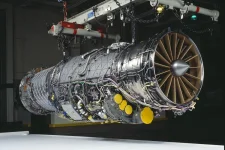
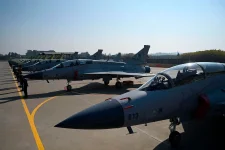
Armed forces worldwide are actively pursuing advanced propulsion to improve the flight time, lower operational costs, and reduce the noise of unmanned aerial systems.
In India, the Ministry of Defence (MoD) has heavily backed homegrown jet engines and conventional powerplants for drones.
However, it is now crucial to channel investments into electric hydrogen fuel cell technology to power the next generation of unmanned aerial vehicles (UAVs), combat drones, and ultimately, transport aircraft.
At its core, a hydrogen fuel cell produces electricity by combining hydrogen and oxygen, leaving behind only water vapour.
While lithium-battery drones suffer from restricted flight times and long charging periods, hydrogen systems offer continuous power with rapid refuelling.
Commercial and defence hydrogen fuel cells already demonstrate three to five times the energy density of traditional batteries.
For military operations, this allows drones to stay in the air significantly longer, providing a critical edge during intelligence gathering, maritime surveillance, and border patrols.
A major tactical benefit of hydrogen fuel cells is their stealth capability. Because electric motors run much quieter than standard combustion engines, hydrogen-powered drones are harder for adversaries to hear.
Furthermore, these systems generate far less heat, shielding them from sophisticated infrared tracking technology used by modern air defence networks.
The Defence Research and Development Organisation (DRDO) is already mandating suppressed acoustic noise and reduced infrared signatures for its next-generation UAV engine families, making hydrogen a perfect fit for these requirements.
Over the next few decades, the Indian military will vastly expand its inventory of tactical and high-altitude drones.
Many of these platforms are tasked with keeping a constant watch over expansive territories, making flight endurance far more critical than raw speed.
By adopting hydrogen propulsion, these aircraft could monitor zones for extended durations without suffering weight penalties or burning excess fuel.
The technology also holds immense promise for military logistics. Quiet, long-range logistics drones could be deployed to transport ammunition, essential medical kits, and equipment to isolated border posts and island bases.
Their extended range would allow for highly flexible supply routes while cutting down the number of trips required.
In the long term, hydrogen-electric power may reshape military transport fleets.
While current fuel cells cannot yet power massive cargo planes on their own, the global aerospace sector is heavily researching hybrid configurations that blend hydrogen systems with traditional engines.
Over time, these hybrid setups could be integrated into light transport planes, training aircraft, and specialised mission platforms before being scaled up to heavy airlifters.
Fostering domestic hydrogen propulsion directly supports India's goal of strategic self-reliance.
Instead of waiting to buy mature foreign systems, agencies like the DRDO, the National Aerospace Laboratories (NAL), the Council of Scientific and Industrial Research (CSIR), and private firms must collaborate now.
Together, they can engineer military-grade fuel cells, lightweight storage tanks, and power electronics right at home, ensuring total sovereign control over the technology.
The groundwork is already being laid through the National Green Hydrogen Mission.
Backed by an initial budget outlay of ₹19,744 crore, the initiative aims to build a green hydrogen production capacity of at least 5 million metric tonnes per annum by 2030.
Aligning defence needs with this massive national project would spark crucial aerospace innovations, transforming military research into breakthroughs that eventually benefit civilian aviation and energy sectors.
Transitioning to hydrogen propulsion is not without its engineering hurdles.
The defence industry must solve complex issues surrounding secure onboard gas storage, robust fuel cells that can survive harsh combat environments, and the deployment of battlefield refuelling infrastructure.
By funding these exact areas today, the government can ensure India becomes a primary developer of the technology rather than a future customer.
The MoD has clearly demonstrated its commitment to building indigenous jet engines, gas turbines, and marine electric propulsion.
Broadening this mandate to include hydrogen fuel cells will prepare the nation for an era where stealth, energy efficiency, and operational sustainability dictate air superiority.
While conventional engines will remain essential for front-line combat jets in the near future, hydrogen-powered drones and hybrid aircraft will become critical force multipliers.
Early investments in research and demonstrator programmes will lay a strong foundation, securing India's position as a leader in next-generation military aviation while permanently reducing its reliance on foreign propulsion systems.