- Views: 3K
- Replies: 6
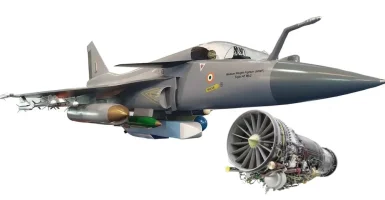
Hindustan Aeronautics Limited (HAL) has revealed a decisive advancement in the Tejas Mk1A programme, confirming that five fighter jets have been fully manufactured and have successfully cleared critical weaponry and firing evaluations.
Mr D.K. Sunil, Chairman and Managing Director of HAL, stated that the organisation is now poised to formally present these aircraft to the Indian Air Force (IAF) for acceptance before the close of the current financial year.
This development signifies a pivotal shift from the manufacturing stage to actual frontline deployment.
HAL leadership reports that these aircraft have successfully concluded their missile integration and firing trials, a vital process that certifies the safety and precision of the weapon systems.
This achievement highlights the enhanced maturity of the Mk1A platform, which features significant upgrades over previous Tejas models, including advanced avionics, modern electronic warfare suites, and superior maintenance protocols.
According to open-source reports, these recent trials included the successful firing of the indigenous Astra Beyond Visual Range (BVR) missile and the ASRAAM close-combat missile, validating the jet's diverse combat capabilities.
Industry sources suggest that the few remaining evaluations are currently being scheduled, with a target to finish them by the end of next month. These concluding tests will concentrate on validating specific system parameters and performance metrics required prior to the official handover.
Upon the successful completion of these final checks, the way will be paved for the Air Force to induct this initial batch of Mk1A fighters, which are part of a substantial contract aimed at modernising India's air defence capabilities.
The operational readiness of these five units is particularly noteworthy as the Tejas Mk1A is designed to serve as the core of the IAF’s light fighter fleet over the next decade.
The programme had previously faced timeline setbacks due to delays in the supply of GE F404 engines and subsystem integration challenges.
Consequently, the confirmation that missile trials are now complete is a critical indicator that the project has regained its momentum and is overcoming earlier supply chain hurdles.
For the Indian Air Force, the induction of the first Mk1A aircraft signifies more than a mere increase in fleet numbers; it validates the upgraded operational standard of the platform.
The aircraft is now proven capable of executing multi-role missions and deploying modern weaponry, such as beyond-visual-range missiles.
This capability is essential as the IAF works to address the depletion of its squadron strength while simultaneously phasing out older legacy platforms like the MiG-21.
Furthermore, this announcement from HAL highlights the increasing reliability of India’s domestic aerospace manufacturing sector.
The Mk1A programme involves extensive domestic participation, ranging from airframe construction to the complex integration of avionics and weapons.
The successful firing trials serve as proof that these varied systems have matured into a stable, repeatable production standard that meets stringent defence requirements.
Should the final scheduled trials conclude as anticipated next month, the delivery of these five Mk1A fighters within this financial year will send a robust message that the programme has navigated its most challenging obstacles.
It will also set the stage for an accelerated delivery rate for future batches, assisting the IAF in systematically replacing aging aircraft and bolstering the nation's overall combat readiness.