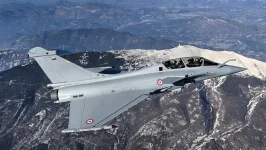
The Indian Air Force (IAF) is fully equipped to seamlessly integrate two to three new squadrons of Rafale fighter jets into its current operations.
Thanks to existing groundwork, expanding the fleet now would be far more economical and straightforward than the initial procurement process.
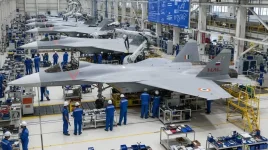
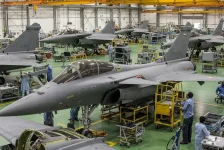
Following the delivery of the first Rafale jets in 2020, the military has channelled substantial resources into building a robust support network. This includes dedicated hangars, advanced simulators, comprehensive maintenance units, and a skilled technical workforce.
While built for the current fighters, this ecosystem was designed with ample capacity to handle a much larger number of aircraft.
The heavy financial lifting required to operate these advanced jets has largely been completed, particularly with the setup of specialized Maintenance, Repair, and Overhaul (MRO) centres and comprehensive training programs for personnel.
Consequently, acquiring more jets today would simply mean adding to the fleet, without the burden of financing new, ground-up support systems.
At present, 36 Rafale jets serve as key assets for the IAF, stationed strategically at the Ambala and Hasimara airbases to cover northern and eastern sectors.
These jets serve as a cornerstone of India's aerial defence, executing a wide array of critical roles ranging from securing airspace and launching deep precision strikes to maintaining nuclear deterrence.
With operational protocols, repair procedures, and supply lines firmly in place, officials suggest the Air Force could effortlessly take on 36 to 54 more of these fighters right away. This equates to two or three additional squadrons, ready to be deployed without logistical delays.
Scaling up the number of Rafales brings notable financial and operational benefits. By sharing the same spare parts, training modules, and technical expertise across a wider pool of aircraft, the military can drastically cut down on long-term running costs.
Furthermore, maintaining a uniform fleet streamlines supply chains and ensures more jets are consistently ready for deployment, avoiding the complexities of introducing an unfamiliar aircraft type.
This foundational setup is particularly crucial as India accelerates its broader military modernization. In 2025, the Indian Navy finalized an Inter-Governmental Agreement for 26 Rafale Marine jets to equip its aircraft carriers.
This cross-branch adoption paves the way for shared supply routes, joint training exercises, and unified maintenance strategies, ultimately strengthening the nation's overall defence framework.
The existing infrastructure places the Rafale in a highly favourable position as India progresses with its Multi-Role Fighter Aircraft (MRFA) programme.
The government is currently advancing negotiations for 114 new fighter jets in a deal estimated at ₹3.25 lakh crore.
Under the "Make in India" initiative, current proposals suggest that up to 90 of these jets could be manufactured locally, further expanding domestic aerospace capabilities.
Additionally, the broader Rafale ecosystem in India continues to grow.
French engine manufacturer Safran is actively establishing a dedicated MRO facility in Hyderabad.
Expected to be operational by late 2026, this facility will provide localized support for the M88 engines powering both the IAF and the Indian Navy fleets, further reducing operational downtime and reliance on foreign maintenance facilities.