- Views: 3K
- Replies: 11
The international market for light combat aircraft (LCA) is currently experiencing a significant resurgence, shaped by changing procurement strategies among global air forces.
Numerous nations are actively looking to phase out outdated third-generation fighters, including the F-5, F-7, and MiG-21.
This transition has opened a substantial market requirement for 300 to 500 modern replacement jets.
Amidst this demand, India’s Light Combat Aircraft programme, the Tejas Mk1A, stands at a pivotal juncture.
With manufacturing processes steadying and a robust pipeline of domestic orders, the platform is now well-positioned for a major export campaign.
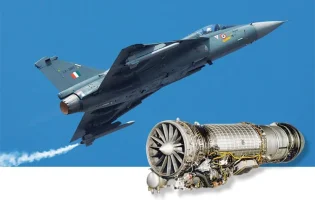
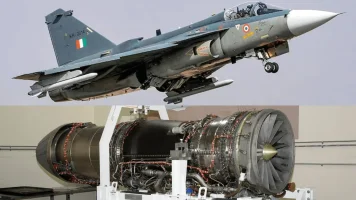
Historically, the international appeal of the Tejas was hampered by supply chain vulnerabilities, specifically concerning the delivery of American-made GE F404 engines.
While recent shortages created hurdles for Hindustan Aeronautics Limited (HAL)—with only a handful of engines delivered against initial targets—the outlook is stabilising.
GE Aerospace has committed to supplying 20 engines annually starting in the 2026–27 financial year.
For prospective international buyers, this agreement establishes a reliable production schedule, directly addressing the critical issue of delivery timelines.
In global aerospace commerce, a manufacturer's ability to meet delivery deadlines is often just as crucial as the technical specifications of the aircraft itself.
Adding momentum to this stabilising supply chain is a powerful display of confidence from the Indian government.
The Ministry of Defence recently cleared the acquisition of 97 additional Tejas Mk1A fighters for the Indian Air Force in a deal valued at approximately ₹62,000 crore ($7.2 billion). This brings the total number of Mk1A jets on order to over 180.
For foreign nations evaluating the Tejas, this massive domestic investment acts as a sovereign guarantee.
It significantly mitigates the perceived risks associated with new platforms, assures the establishment of a robust long-term maintenance ecosystem, and signals that the aircraft will remain a frontline asset with continuous upgrades for decades to come.
Internationally, HAL is strategically directing its marketing efforts toward Latin America, Africa, and Southeast Asia.
Nations such as Brazil, Botswana, Nigeria, and Egypt are actively seeking capable multirole fighters that can handle maritime strikes, ground attacks, and air defence without the exorbitant costs associated with heavyweight or fifth-generation stealth jets.
For example, India has pitched the Tejas Mk1A to Egypt as a highly capable Lead-In Fighter Trainer (LIFT) at a competitive price point of around $42 million per unit.
This strategy aligns perfectly with broader economic realities. Industry forecasts project the global fighter aircraft market will expand from roughly $55 billion in 2024 to nearly $80 billion by 2030.
However, much of this capital is tied up in ultra-expensive fifth-generation projects led by superpowers.
For mid-tier military budgets, these high-end options are simply out of reach.
This economic barrier has carved out a permanent, highly lucrative niche for 4.5-generation light fighters that deliver beyond-visual-range (BVR) combat capabilities and modern avionics at a manageable price.
The Tejas Mk1A is engineered to dominate this specific market segment.
It is equipped with advanced indigenous avionics, a sophisticated Active Electronically Scanned Array (AESA) radar, a comprehensive electronic warfare suite, and the ability to fire potent BVR missiles like the domestically developed Astra Mk-1.
Furthermore, its operational and acquisition costs remain significantly lower than those of larger, twin-engine alternatives.
Beyond hardware, India offers a distinct diplomatic advantage: strategic autonomy.
Many global air forces are growing frustrated with the strict end-user monitoring agreements traditionally imposed by Western suppliers.
India’s readiness to offer flexible terms, potential technology transfers, and the ability to integrate a mix of Western and indigenous weaponry provides a compelling alternative for nations looking to broaden their defence partnerships.
The alignment of steady engine supplies, monumental domestic backing, and a clear global demand for cost-effective fighters makes 2026 a defining year for the Tejas programme.
HAL's primary objective must now transition from proving the aircraft's credibility to flawless execution.
The manufacturer faces the task of translating international interest into concrete contracts, while ensuring its production lines and support infrastructure can expand to meet the rigorous demands of the global defence market.