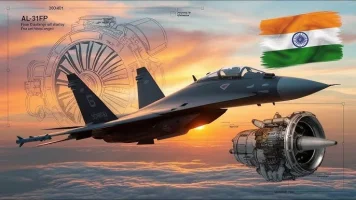
Hindustan Aeronautics Limited (HAL) has initiated the development of a home-grown Full Authority Digital Engine Control (FADEC) system for its upcoming HTSE-1200 turboshaft engine.
This marks a critical step toward achieving complete self-reliance in India's helicopter propulsion sector, effectively targeting one of the last major dependencies on foreign suppliers.
As the HTSE-1200 approaches its 2026 certification target, the programme is advancing into vital flight testing phases, with five prototype engines currently under fabrication and scheduled for delivery beginning in mid-2025.
The Critical Role of a FADEC System
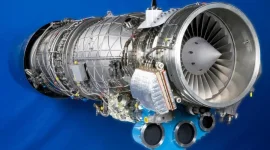
A FADEC system serves as the central digital brain of a modern aerospace engine. It automatically controls vital functions like fuel flow, compressor stability, turbine temperatures, and overall power output, entirely replacing the outdated mechanical and hydro-mechanical systems of the past.For a high-performance engine like the HTSE-1200—which generates up to 1,200 kW or 1,600 shaft horsepower—the FADEC is absolutely crucial. It keeps the engine operating safely in extreme conditions, from rapid power shifts during combat manoeuvres to starting up in freezing high-altitude environments.
The HTSE-1200 is designed to power both 3.5-tonne single-engine aircraft like the Light Utility Helicopter (LUH) and 5 to 8-tonne twin-engine platforms like the Advanced Light Helicopter (ALH) Dhruv and the Light Combat Helicopter (LCH) Prachand.
Historically, engines in this weight class have relied on FADEC units imported from established Western aero-engine manufacturers.
While HAL has successfully absorbed core mechanical technologies through ventures like the Safran Ardiden 1H1 Shakti engine, developing the electronic controller in-house is the final piece of the puzzle to secure a fully indigenous propulsion platform for India's defence forces.
The Engineering Challenge
Creating a FADEC system from scratch is an incredibly complex engineering task, vastly different from manufacturing metal components like engine casings or turbine blades.It demands highly reliable, real-time embedded software backed by dual or triple-redundant sensors to ensure that a single sensor failure cannot compromise the aircraft in flight.
Furthermore, the system must pass rigorous international aviation safety standards before a human pilot can safely operate the helicopter.
However, once HAL matures this complex digital technology for the HTSE-1200, the foundational architecture can be easily adapted for other platforms, such as the HTFE-25 turbofan jet engine, creating a reusable technology base for all future Indian defence aviation projects.
A Boost for Broad Indigenisation
This electronics development perfectly complements the physical maturation of the HTSE-1200 hardware.The engine has recently achieved significant milestones, including 100% speed runs on its core and successful high-altitude trials in severe cold and hot weather conditions at Leh and Khardung La.
With HAL now outsourcing the manufacturing of precision parts like gearboxes to local industry partners, the design has clearly moved from prototyping into the initial stages of repeatable production.
Over the next twenty years, the Indian military will require roughly 2,000 engines to power its growing fleets of LUH, ALH, and LCH aircraft.
By securing a domestically controlled FADEC technology, HAL will not only guarantee uninterrupted production but also dramatically simplify long-term maintenance, repair, and overhaul (MRO) for the armed forces.
Defence technicians will be able to upgrade engine software and troubleshoot operational issues directly, permanently removing the need to consult foreign manufacturers for ongoing support.