- Views: 2K
- Replies: 10
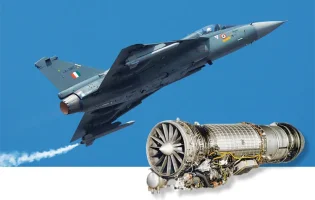
GE Aerospace is preparing to hand over a set of two F404-IN20 engines to Hindustan Aeronautics Limited (HAL) this coming August.
This anticipated handover will be a significant milestone, representing the first occasion where multiple engines are supplied to India in a single consignment.
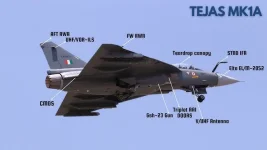
This upcoming batch will elevate the total count of delivered powerplants to nine, offering a much-needed and tangible boost to the Tejas Mk1A fighter programme after a prolonged period of erratic supply.
Before this development, the supply chain was characterised by a slow trickle of single units.
The inaugural engine reached HAL in March 2025, followed by subsequent single deliveries spaced months apart.
The sixth engine, which arrived in April 2026, experienced a minor technical issue that required joint rectification efforts before being cleared for operational use.
With the seventh engine having just been delivered in July 2026, the shift to a two-engine batch in August signals a positive and necessary departure from the sluggish pace that has defined the relationship so far.
The root of these historical delays lies in the five-year closure of the F404-IN20 manufacturing line between 2016 and 2021.
After completing an initial commitment of 65 engines, GE halted production entirely. When HAL placed a fresh ₹5,375 crore order for 99 units under the Tejas Mk1A programme in 2021, GE had to rebuild its manufacturing and supply network from the ground up.
This complex restart was severely hampered by global pandemic disruptions, pushing the initial March 2023 delivery timeline back by years and drawing visible frustration from Indian Air Force (IAF) leadership by late 2024.
Despite past missed targets—including a failed promise to supply two engines monthly starting in August 2025—GE Aerospace is now demonstrating concrete signs of a production ramp-up.
The American manufacturer has pledged to expand capacity and supply between 24 and 26 engines annually beginning in 2026.
Reports suggests that GE plans to deliver an additional 20 to 22 engines before the end of December 2026. This influx is critical, as HAL is aggressively working towards equipping the first complete Tejas Mk1A squadron by March 2027.
The availability of engines has been the primary constraint for the Tejas Mk1A assembly line.
Recent reports indicate that HAL currently has roughly 30 newly built airframes sitting on the tarmac, fully tested but unable to be handed over because they are waiting for their powerplants.
While HAL has smartly set up parallel manufacturing lines to prepare airframes, avionics, and radar systems in advance, final flight testing and integration cannot happen without the engines.
Moving to multi-engine batch deliveries allows HAL to move multiple fighter jets through final integration concurrently, a vital requirement to meet their ambitious production goal of 16 to 24 aircraft per year.
Looking at the broader strategic landscape, the Ministry of Defence is pushing for massive fleet expansion.
Beyond the initial 83 jets, the government has cleared another 97 Mk1A fighters, bringing the total intended fleet to 180 aircraft.
To power these, a follow-on agreement worth roughly $1 billion was signed in late 2025 for an extra 113 engines, bringing GE's total commitment to 212 units.
Reaching this massive figure makes batched deliveries an absolute necessity, ensuring that India's indigenous defence manufacturing can meet the IAF's urgent requirements over the coming decade.