- Views: 2K
- Replies: 9
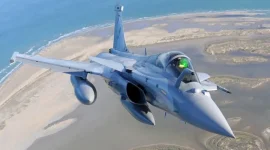
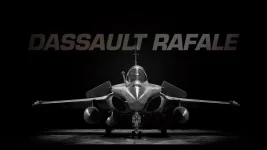
India’s potential acquisition of 114 Rafale fighter jets under the Multi-Role Fighter Aircraft (MRFA) programme is shaping up to be much more than a standard military purchase.
Recent developments suggest that the production facilities established in India could transform into a secondary global manufacturing hub for Dassault Aviation.
If executed as planned, this industrial base would not only fulfill the Indian Air Force (IAF) requirements but also supply advanced Rafale jets to future international clients across the Middle East, Africa, and Asia.
Such an evolution would mark a historic leap for India’s domestic aerospace sector. By becoming an assembly and export powerhouse for one of the most prominent 4.5-generation combat aircraft in the world, India would firmly cement its position in the global defence market.
Currently, Dassault Aviation’s primary assembly line in Mérignac, France, is managing an expanding production backlog. The company entered 2026 with an order book of over 220 Rafale jets destined for nations like the United Arab Emirates, Egypt, Indonesia, Greece, and Serbia, alongside its commitments to the French military.
With the massive IAF deal advancing—and potential new orders emerging globally—relying exclusively on the French facility to fulfill all deliveries presents severe industrial bottlenecks. To meet these growing international commitments, expanding manufacturing capacity outside of Europe has become an absolute necessity for Dassault.
The foundation for this shift has already been laid. In June 2025, Dassault Aviation finalised critical production transfer agreements with Tata Advanced Systems Limited (TASL). This partnership is establishing a state-of-the-art facility in Hyderabad to manufacture complete fuselage sections for the fighter jet. Crucially, these components are not restricted to Indian jets.
Set to roll out its first assemblies by 2028, the Hyderabad plant is integrated directly into Dassault’s worldwide supply chain. Rather than operating an isolated facility just for India, Dassault is cultivating a vast industrial ecosystem capable of feeding both domestic and international assembly lines.
The proposed structure of India's 114-aircraft deal reflects this pragmatic approach. According to defence ministry clearances granted earlier in 2026, the initial batch of fighters would be delivered in fly-away condition from France to quickly address the IAF's urgent operational needs. Meanwhile, 94 of the remaining aircraft are planned to be manufactured in India with significant indigenous content.
As local infrastructure matures, Indian factories will gradually take on greater responsibilities—moving from basic assembly to advanced systems integration and complex structural component production. Once the IAF's primary needs are satisfied, this fully matured production pipeline is expected to remain active to cater to future global exports.
Establishing a secondary production hub in India offers numerous strategic benefits. It will significantly boost Dassault's annual output, alleviating pressure on the French supply chain while offering greater flexibility to meet international deadlines.
Furthermore, India’s geographic location makes it an ideal bridge between Europe, Southeast Asia, the Middle East, and Africa. Manufacturing jets closer to these critical markets will inevitably lower logistics expenses and streamline long-term maintenance support for regional operators.
This massive undertaking will also galvanise the wider Indian defence industry. Major corporations such as Bharat Electronics Limited (BEL), Bharat Dynamics Limited, L&T, and numerous micro, small, and medium enterprises (MSMEs) have been steadily expanding their footprint in global aerospace manufacturing.
Participating in the Rafale's production cycle will embed these companies deeper into the global value chain. The hands-on expertise gained in precision engineering, advanced composites, and supply-chain management will directly benefit India’s own indigenous aviation projects, including the Tejas Mk2 and the Advanced Medium Combat Aircraft (AMCA).
Ultimately, India's transformation into a Rafale export hub rests on the successful finalisation of commercial and governmental agreements. The Indian government issued a formal Letter of Request (LoR) to France in mid-2026, and detailed price negotiations are expected to follow shortly.
Any future exports of Indian-built Rafales will naturally remain subject to French export controls and international defence trade regulations. However, if these diplomatic and industrial milestones are met, India is well on its way to becoming a central pillar in the global production of cutting-edge combat aircraft.